LILIANE SILVA
The detailed description
Liliane's early descriptions helped establish the now-familiar features of the being: humanoid form, unusual head, red eyes and brown, shiny appearance. Her testimony belongs to the event-day core.
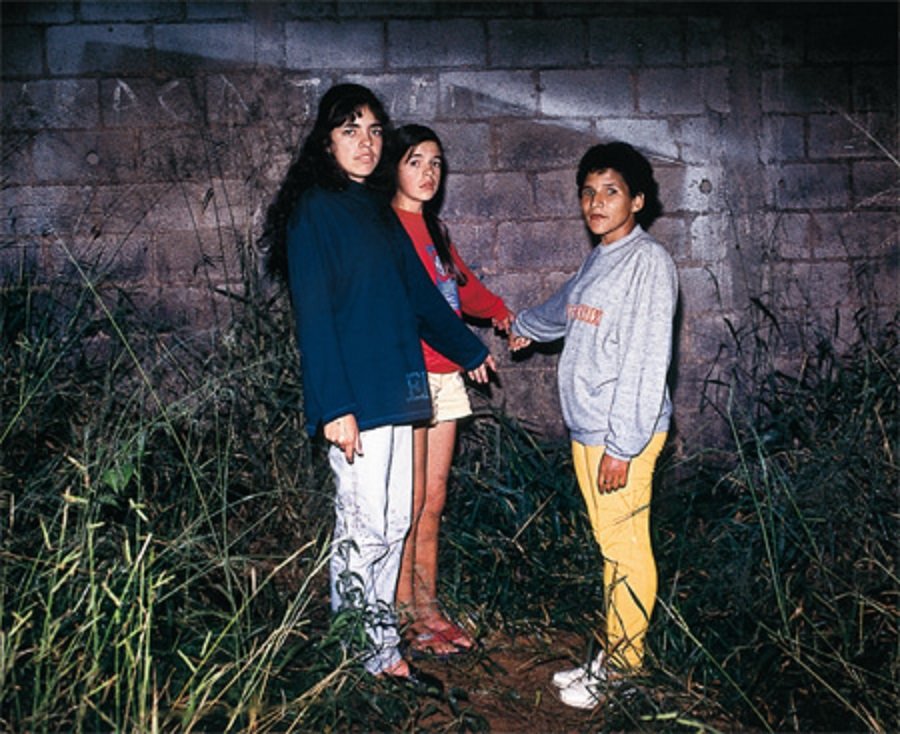
Three young women said they encountered a small, crouching being beside a wall in a vacant lot. Within months, the story had grown to include military vehicles, captured creatures, hospitals and a dead police officer. The challenge is separating what happened first from what accumulated later.
On the afternoon of 20 January 1996, sisters Liliane and Valquíria Silva and their friend Kátia Xavier were walking through the Jardim Andere district of Varginha, Minas Gerais. A violent summer storm had darkened the city. Near an overgrown vacant lot, the three said they saw a small humanoid figure crouched against a wall.
The description that made the case famous was unusual and specific: a shiny brownish body, large red eyes, a head or face described as heart-shaped, and three protrusions or “horns” on the head. Frightened, they ran home. The sighting was not originally a story about a crashed spacecraft, an autopsy or an international cover-up. It was a close-range creature report by three local witnesses.
That distinction matters. Varginha is strongest when the first report is allowed to stand on its own before the much larger mythology is added.
The Jardim Andere encounter becomes the human centre of the case.
Residents report unusual aerial or creature-related events around Varginha.
Anonymous or later military accounts allege that one or more beings were captured.
Stories develop that a creature was taken through local medical facilities and onward.
The incident becomes Brazil's defining alleged alien-retrieval case.
These later claims are not all equal. Some are tied to named witnesses; others emerged through ufologists, anonymous military sources or retrospective testimony. The flagship treatment therefore does not present the whole Varginha legend as one continuous evidential chain.
Liliane's early descriptions helped establish the now-familiar features of the being: humanoid form, unusual head, red eyes and brown, shiny appearance. Her testimony belongs to the event-day core.
Valquíria has rejected the Army's suggestion that the group may have misidentified a local man known as Mudinho, saying the girls already knew him from childhood.
Kátia's presence makes the central encounter a three-witness event rather than a single-claimant story. The witnesses were together at close range and described the experience as immediately frightening.
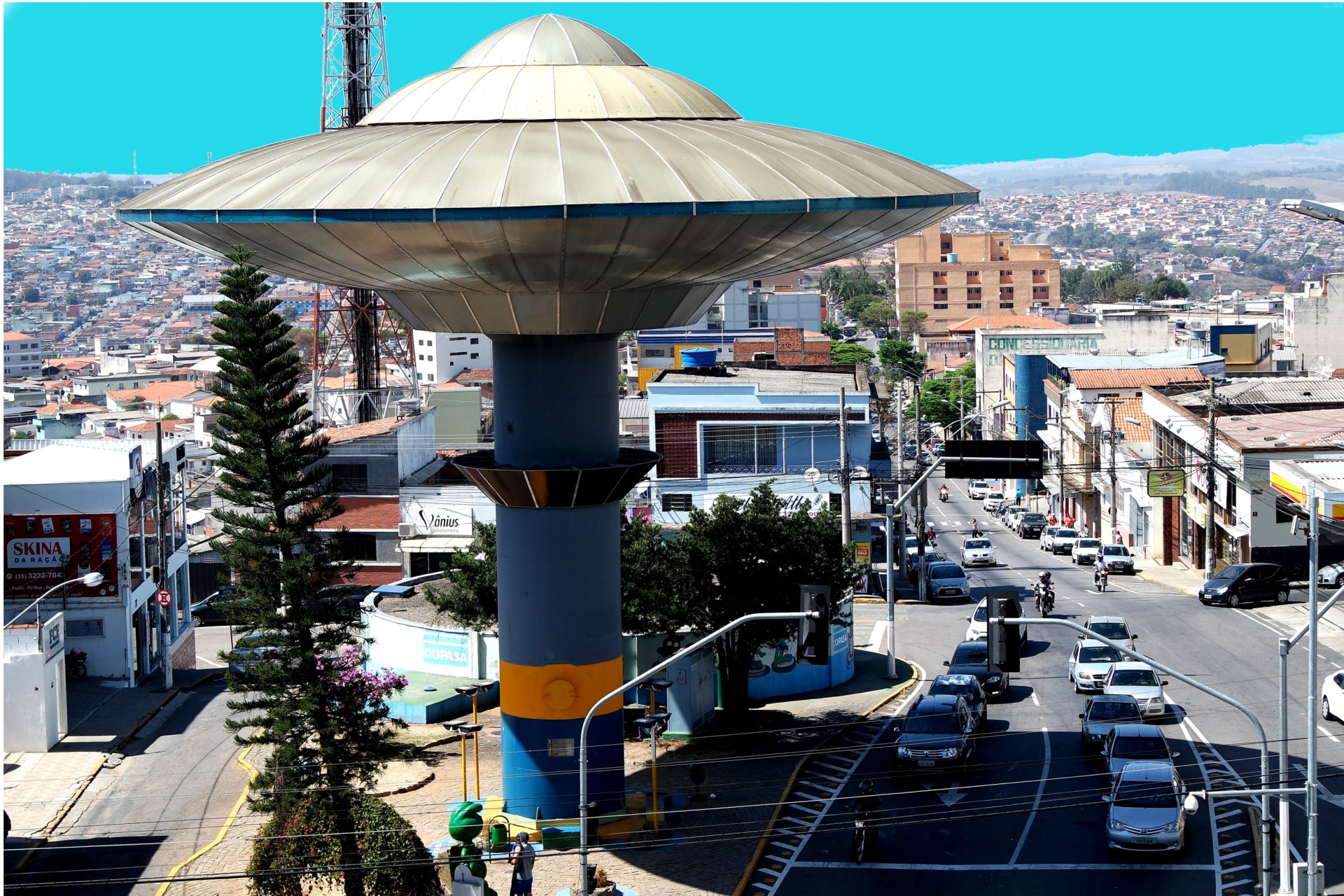
Three named civilians said they encountered the same unusual humanoid at close range on 20 January 1996. This is the oldest and clearest core of the story.
Claims of unusual aerial activity and additional creature sightings broadened the event, but provenance and dating vary significantly from report to report.
Later accounts allege military personnel captured a being and transported it through Varginha. The official inquiry denied that implicated units performed such an operation.
Decades later, new witnesses—including a neurologist speaking publicly in 2026—have claimed knowledge of a non-human body or patient. Such testimony is important but extremely retrospective.
A nearby Army institution, the Escola de Sargentos das Armas, eventually conducted a formal inquiry after stories about military involvement were already circulating publicly. The resulting investigation ran to two volumes and roughly 600 pages. Investigators interviewed military personnel, firefighters and ufologists and reviewed movements of Army vehicles said to be involved.
The inquiry concluded that military personnel identified by the press had not carried out an operation transporting extraordinary cargo. For the girls' sighting, it proposed a mundane explanation: in the darkness and violent storm, they may have misidentified Luís Antônio de Paula—known locally as Mudinho—a man with disabilities who was known to crouch as he moved around the city.
That explanation is a genuine piece of the evidential record and deserves to be taken seriously. It also faces a direct problem: the witnesses say they knew Mudinho already and insist that the figure they saw was not him.
The Army inquiry says the implicated military personnel and vehicles were not involved in transporting a creature or other extraordinary cargo. It treats the wider story as a fictional construction built from mistaken interpretation and rumour.
The central civilian witnesses reject the Mudinho identification. That does not prove their extraterrestrial interpretation, but it weakens a simple mistaken-identity explanation if their recognition claim is accurate.
This is where Varginha changes category. Without the capture narrative it is a striking three-witness humanoid encounter. With it, the case becomes an alleged retrieval and cover-up involving soldiers, firefighters, hospitals and the death of military police officer Marco Eli Chereze.
Chereze died weeks after the incident from complications associated with infection. The dramatic version of the case links that death to alleged physical contact with a captured being. Publicly available evidence does not establish that chain. No authenticated body, tissue sample, medical specimen or contemporaneous military capture record has been produced.
That absence does not erase witness testimony. It does set the limit of what the case can currently support. A reader should be able to see exactly where direct observation ends and inferred covert operation begins.
Varginha has not frozen in 1996. New interviews and documentaries continue to surface people who say they witnessed parts of the story. In 2026, neurologist Ítalo Venturelli publicly claimed that he saw an unusual non-human-looking being in a hospital and had remained silent for three decades. Such testimony is potentially important because it points toward the hospital layer of the story.
But testimony arriving thirty years later cannot be treated like a document created that night. Memory, publicity and the immense cultural footprint of the case all matter. The correct response is not to dismiss new witnesses automatically; it is to ask what independent record can now corroborate them.
That is the central investigative opportunity. Hospital logs, contemporaneous staff rosters, ambulance movements, death and infection records, military vehicle logs and first-generation interviews could either strengthen the hidden-operation narrative or collapse parts of it.
Varginha deserves serious treatment because its central encounter involves three named witnesses, a clear location and a memorable description that did not need hypnosis or decades to emerge. The case becomes far less secure when later capture, hospital and military-cover-up claims are bundled into that original core.
The official Army inquiry is substantial and cannot simply be waved away. Yet its Mudinho explanation is directly disputed by the witnesses who say they knew him. The strongest unresolved question therefore remains surprisingly simple: what did the three women actually see in Jardim Andere on 20 January 1996?
The UAP Map position: unexplained at the level of the original encounter; alleged creature capture and covert transport remain unverified.
Do you have a contemporaneous Brazilian newspaper scan, first-generation witness interview, military or firefighter record, hospital documentation, original photograph, broadcast footage or reliable translation that materially improves the Varginha evidence chain? The UAP Map keeps additions source-led and separates new testimony from records created in 1996.
SUBMIT EVIDENCE →The Varginha story began in January 1996 with reports from three young women who said they saw a strange figure beside a wall in Jardim Andere. Their description became the centre of a much larger narrative involving military vehicles, hospitals, a captured being, and the death of a military police officer. Those layers were not all witnessed by the same people and should be evaluated separately.
The three witnesses’ account is the most direct part of the story. Other local reports, alleged military movements and medical claims come from different sources and were assembled later by researchers and media. The Brazilian Army investigated the allegations and rejected the capture narrative, while proponents argue that the official position does not explain every testimony.
Varginha remains historically important because it shows how a local encounter can become a national “Brazilian Roswell” story. The absence of publicly verified physical evidence means the case should be presented as a contested record rather than as a confirmed crash or retrieval.
Three witnesses report seeing a strange figure near a wall in Varginha. Their accounts become the core of the later case.
Additional stories circulate about unusual animals, military vehicles and activity near hospitals and rural areas.
Researchers connect separate reports into a story of capture, transport and medical examination.
Army investigators reject the extraordinary account. Proponents and critics continue to dispute the interpretation of the available testimony.
Compare with Roswell for another case where an initial report grew into a much larger recovery narrative.
Brazilian Army inquiry into the Varginha allegations (600 pages, with the 'Mudinho' explanation).