Direct testimony only
The reported encounter
- Dome-like object in a clearing
- Two smaller spiked spheres
- Acrid smell and hissing sound
- Perceived dragging and loss of consciousness
- Interpretation of what was seen
Robert Taylor’s account belongs to one witness. The torn clothing, reported ground marks, police attention and later documentary trail belong to the aftermath. Those are different kinds of evidence. The page keeps them separate.
Taylor said he encountered a large dome-like object in a clearing, followed by two smaller spiked spheres, an acrid smell, a hissing sound and a loss of consciousness. No second person reported seeing that sequence. The evidential picture changes when he returned from the woods.
Taylor enters Dechmont Woods while carrying out forestry work with his dog.
Taylor later describes the object and smaller devices. This part of the record begins and ends with his account.
He returns in a distressed condition with damaged clothing, prompting concern and an official response.
Police examine the site and clothing as part of an inquiry. That describes the response, not an official extraterrestrial conclusion.
Torn clothing and reported ground marks enter the documentary history of the case.
Damage can be consistent with force without identifying the instrument or cause that produced it.
Council, police-disclosure, press and research records preserve parts of the story, not a complete independently testable file.
Any explanation must address testimony, condition, clothing, the site record and their limits without treating them as identical evidence.
The damaged trousers are the case’s best-known physical object. Contemporary and later records describe tears to both trouser legs and damage to underclothing. The material was sufficiently important to be examined in the aftermath. That does not turn a tear pattern into a unique signature for a machine, a creature or a craft.
An authenticated, rights-cleared trousers photograph has not been established for this page. Rather than copy an image from a secondary UFO site or invent an illustration, this briefing leaves the object unpictured and states the evidential limit plainly.
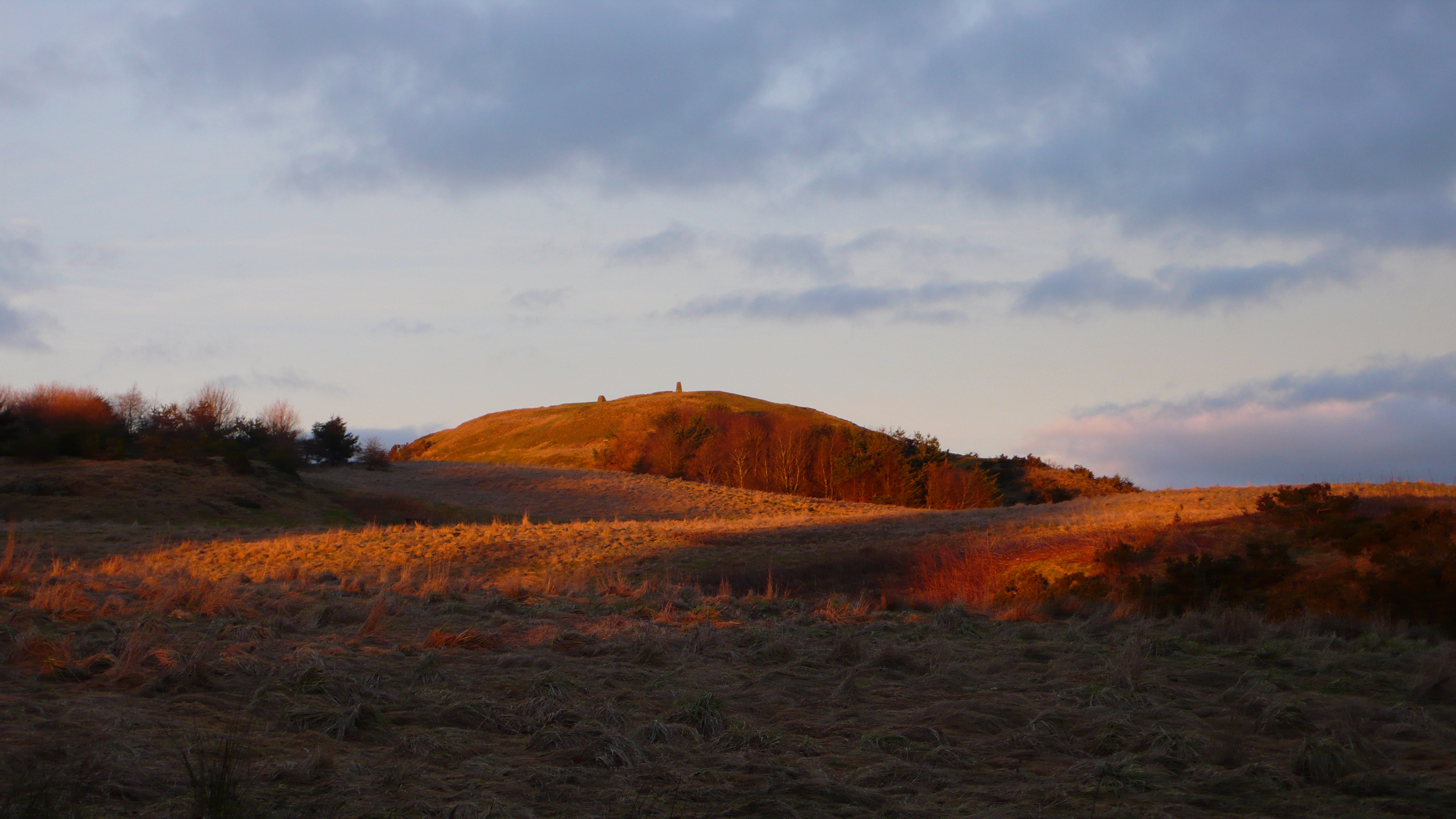
Modern landscape photography can locate the case geographically, but it cannot recover the 1979 scene. Dechmont Woods has changed, and the page does not claim that this image depicts the specific clearing or any surviving mark.
Medical episodes, ordinary site disturbance and non-unique fabric damage remain serious explanatory categories. Each has to be tested against the whole record, not only the part it most easily explains.
These sources do different jobs: the public authority preserves location context, the police disclosure identifies an official archival trace, and the BBC records a detailed retrospective account. None alone resolves cause.
Public disclosure-log entry for the Taylor/Livingston/Dechmont Woods request. An archival trace, not a police conclusion about cause.
Contemporary retrospectiveBBC ScotlandDetailed reporting on the police response, clothing damage, reported marks and alternative explanations.
Site contextWest Lothian CouncilPublic-authority information about Dechmont Law as a contemporary location, distinct from incident evidence.
Image provenanceDechmont Law photographTaras Young’s 2011 CC BY-SA 3.0 photograph used only for modern landscape context.