Pacific Ocean · 14 November 2004
Something entered the Navy's airspace.
Radar operators watched it. Four aviators reached it. A later flight brought back 76 seconds of footage.
UNDERSTAND NIMITZ IN 10 MINUTESTHE RADAR CONTACTS. THE TIC TAC. THE FOOTAGE.↓A CASE IN SEQUENCE
It did not begin with a grainy video.
Most people know the Nimitz encounter as a black-and-white infrared clip. That is not where the case began—and it is not the moment the pilots saw the Tic Tac. The public record unfolds across different ships, aircraft, instruments and witnesses.
KEEP THE EVIDENCE IN ORDER
Why This Case Matters
In November 2004, a carrier strike group off Southern California recorded an encounter that combined radar, four trained naval aviators across two F/A-18F Super Hornets, and government-released infrared footage of a wingless object it could not identify. Nimitz matters because it is a genuine, multi-witness, multi-sensor military encounter that remained unidentified after sustained public scrutiny, and because it became one of the reference points that moved modern military UAP reporting into the mainstream. What the object was, and where it came from, remain unresolved.
01 / THE CONTACTS BEGIN
Before anybody saw the Tic Tac, Princeton was already watching the sky.
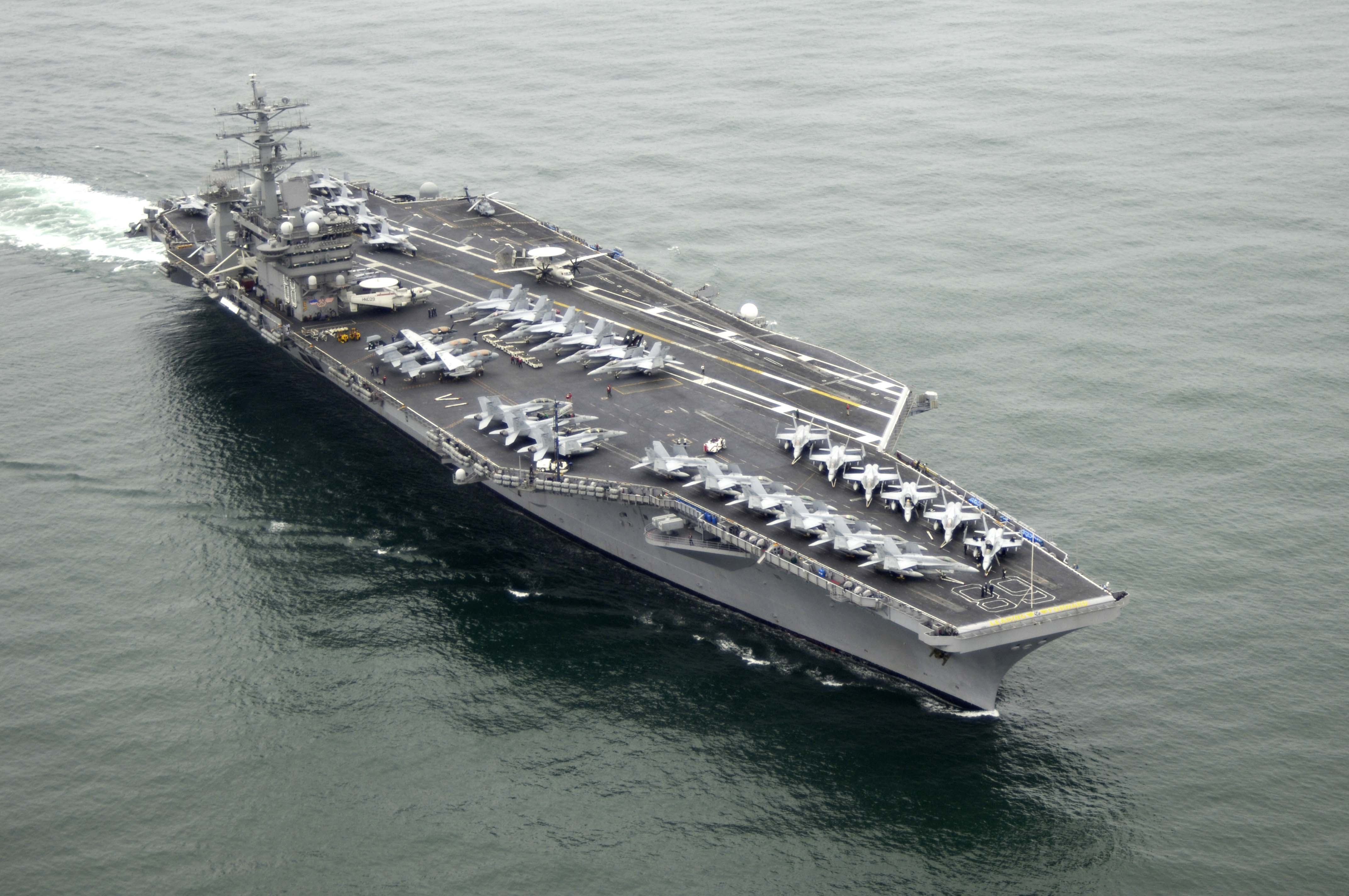
In November 2004, the USS Nimitz Carrier Strike Group was training off Southern California. The guided-missile cruiser USS Princeton helped build the air picture around the fleet. Shipboard personnel later described recurring contacts at high altitude and repeated radar activity before the famous visual intercept.
The exact totals and duration vary across later accounts. The stable point is narrower: Princeton personnel said unknown contacts were observed before the pilots were redirected. The public does not have the raw radar history needed to independently reconstruct every track.
DOCUMENTED BOUNDARY: recurring radar reports are part of the case record; exact performance claims require the underlying radar data.

02 / THE PILOTS ARE REDIRECTED
A training flight became a real-world intercept.
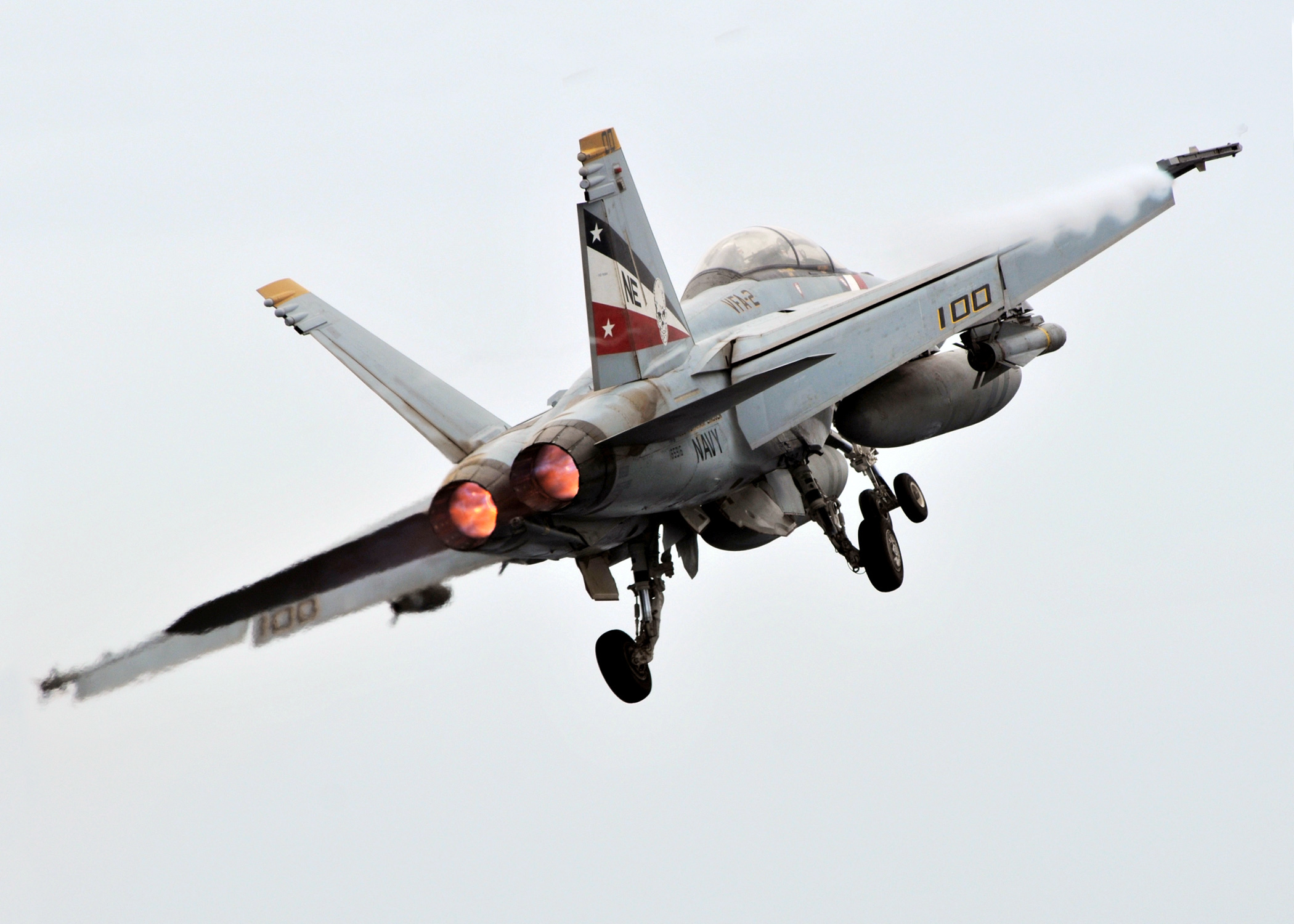
Commander David Fravor led two F/A-18F Super Hornets on a training mission. Alex Dietrich flew the second aircraft. Each jet carried a weapons systems officer. When the formation checked in with Princeton, controllers redirected the fighters toward an unknown contact.
The crews descended toward the reported coordinates. They did not initially find another aircraft. They found an unexplained patch of white water below them and an object above it.
03 / THE TIC TAC APPEARS
Below them, the sea was white. Above it moved something with no wings.
Fravor and Dietrich described a patch of disturbed white water against the Pacific. A separate Marine pilot, Douglas Kurth, also later reported the disturbance, although the precise timing of that observation remains debated.
Moving above the water was a white, oblong object. The pilots described no visible wings, rotors, windows or exhaust. Fravor compared its form to a large Tic Tac. As he descended in a circular path, he said the object moved over the disturbance and appeared to rise into the geometry of his turn.
INTERPRETATION BOUNDARY: intent cannot be measured from recollection. The defensible claim is that multiple aircrew described a structured object whose movement appeared responsive to the intercept.
04 / THE DEPARTURE
Then the encounter simply ended.
As Fravor moved to cut across the object's turn, the Tic Tac accelerated away and disappeared from the crews' visual field. The witnesses did not report a conventional climb-out, visible exhaust or a track they could continue to follow.
Fravor has also reported that Princeton then told the flight a contact had appeared at the pre-arranged combat air patrol point, roughly sixty miles away, in less than a minute. If the same object travelled that distance, the performance implication would be extraordinary.
EVIDENTIAL LIMIT: the public does not possess the raw radar track needed to prove continuity between the visual object and the later CAP-point report.
05 / THE FOOTAGE
The camera arrived later.
After Fravor's flight returned, another aircraft launched. Chad Underwood used an ATFLIR targeting pod to acquire an unknown contact. He did not see the object with his unaided eyes. His encounter was a separate sensor event later on the same day.
Across 76 seconds, the sensor tracks an unresolved infrared target, changes polarity and field of view, and eventually loses lock as the target moves outside the tracking gate. The Department of Defense formally released the video in 2020 and said the phenomena remained characterised as unidentified.
CORE DISTINCTION: Fravor saw the Tic Tac. Underwood later recorded FLIR1. The events are connected operationally, but they are not the same moment.
06 / THE STORY GOES PUBLIC
The footage sat classified for thirteen years.
The Pentagon's secret AATIP — the Advanced Aerospace Threat Identification Program, funded with $22 million by Senator Harry Reid — investigated the encounter without public disclosure. When Luis Elizondo resigned from the Pentagon in October 2017 in protest, he helped facilitate the release of the Tic Tac, Gimbal, and Go Fast videos.
The videos were provided to the press by Christopher Mellon, former Deputy Assistant Secretary of Defense for Intelligence. On 16 December 2017, the New York Times published the footage and revealed the existence of AATIP. The article by Helene Cooper, Leslie Kean, and Ralph Blumenthal brought the case to the world. The Pentagon officially declassified the videos on 27 April 2020.
DOCUMENTARY BOUNDARY: the encounter happened in 2004. The public story began in 2017. The gap between them is itself part of the case record.
07 / THE MISSING EVIDENCE
The most instrumented environment produced an incomplete public record.
The carrier group possessed systems capable of answering questions that witness memory cannot. Yet the raw records that could join—or separate—the radar, visual and infrared events have not entered the public domain in a complete form.
Raw USS Princeton radar history and track data.
Mission data, telemetry and controller recordings.
First-generation FLIR1 data and complete metadata.
Records showing what material existed, moved, or was retained.
Later shipboard accounts describe unusual handling of radar material and data cartridges. Those recollections are important leads, not custody proof. The absence of records should not be turned into proof of a cover-up. It identifies the material that would be needed to settle the largest claims.
08 / WHY THE CASE ENDURES
One explanation has to meet all of it.
A balloon can resemble a white wingless object. A distant aircraft may resemble a small infrared target. Radar can generate misleading returns. Secret technology remains possible. A composite explanation could assign a different ordinary cause to each part.
But no single explanation has been demonstrated across the complete public sequence. The responsible conclusion is narrower than a claim of origin: Nimitz records a genuine, multi-witness military encounter that remains unidentified after sustained public scrutiny.
- Four aircrew were present in two Navy fighters.
- The flight reached the scene through operational radar tasking.
- Multiple witnesses described the visual object.
- A later sortie produced authentic government-released footage.
- The public lacks the complete underlying instrument record.
The case does not prove where the object came from. It does show why “nothing happened” is not an adequate description of the public record.
SOURCE ROOM